12/05/2026 0 Comments
Topsy Turvy Baptism People - 1 Peter 3:13-22
Topsy Turvy Baptism People - 1 Peter 3:13-22
# Sermons
Topsy Turvy Baptism People - 1 Peter 3:13-22
'Baptism affirms and transforms human identity. After baptism we continue as we are, but more is added, the divine life of Christ. And we become topsy turvy people, living through life and suffering in a way that is different from the world around us, and that is empowered through Christ.' Sera R first preached this sermon on 1 Peter 3:8-22 at St Denys in May 2026
Your Identity
I have memories of going to football matters, and a chant bellowing from one set of fans to the other: 'Who are ya? Who are ya?'
I wonder, if I was to ask you, who you are, what would you say? Something about your name, or your hometown, or you relationship, or your faith, or your football team maybe.
Who are you? What’s at the heart of your identity?
The Mr Men and Little Misses
There’s a group of characters who we know who they are because of what they are called: The Mr Men and Little Misses team.
Mr Sneeze; Little Miss Mischief Naughty; Mr Nosey; Little Miss Sunshine and Mr Topsy Turvey
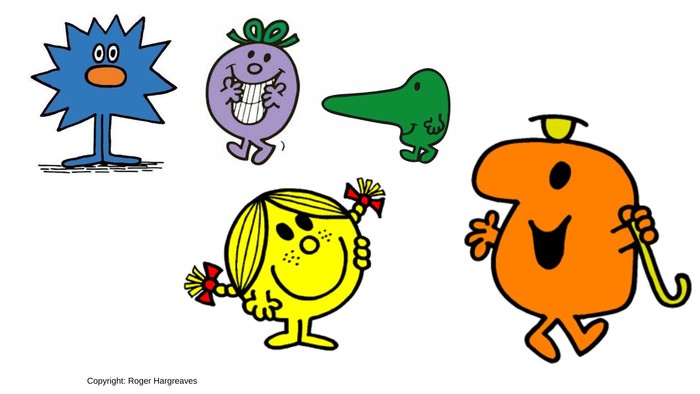
I want us to keep the idea of Mr Topsy Turvy in our brain today, someone who lives back to front, upside down, as far as the world is perceived it – the wrong way round.
Topsy Turvy Living
We are looking at a letter that Peter (one of Jesus’ disciples, and the leader of the early church) wrote to friends and followers of Jesus who were living through difficult times. Today’s section of the letter (1 Peter 3:8-22) is moving towards his conclusions. ‘Finally all of you…’
Our reading starts with behaviour & attitudes that are topsy turvy living,
- of being like-minded even though as a church you're a cacophony of very different people, (vs 8)
- of repaying evil with blessing, (vs 9)
- of going against the flow of anger, hatred and stirring up conflict, and instead standing for truth, peace and goodness, (vs 10)
- of not avoiding nor denying suffering, but journeying through it, and suffering in a Christ-shaped way (vs 13-18)
- of showing you have hope even when everything and everyone around you says that everything is hopeless and that you are a fool to have hope (vs 15)
However we are not going to start at the beginning but at the end because ‘we can only do what we are’ (Joel Green) Which I why I got you thinking about who you are at the start of this talk. Because I am a Boltonian, therefore I am a BWFC fan and therefore I will chatting with you about Bolton have made a good start to the promotion play offs.
It is the end of the passage reminds who we are, and that who we are is based on what Jesus has done.
We are People of Baptism:
In the end section of today’s passage, Peter is speaking of Jesus authority across time and place, making connections with Noah, the ark and the few that were saved. He then writes in verse 19 to 20: 'this water symbolises baptism that now saves you also – not the removal of dirt from the body but the pledge (or the appeal to God) of a clear conscience towards God.[e] It saves you by the resurrection of Jesus Christ’ – vs 21 (NIV)
He makes an interesting statement in this. Baptism saves you!!! A possible can of worms here, but I’m keeping it simple today. Baptism joins our lives with the life and death of Jesus, and it is the resurrection of Jesus that saves us. The Bible offers so many images of what ‘saves us’ means, there are so many layers to it. Here Peter writes of having a ‘clear conscious before God’. Other images in the Bible include being 'made righteous', ‘worthy to be a child of God’ and, one of my favourites, ‘adopted by God.'
Now note that while baptism is something that we do, but something also happens to us in baptism. Whilst it is a sign witnessing that things have changed, it is also brings things into reality too. The reality of what happened to Jesus and how that changes things for us.
Baptism affirms and transforms human identity. After baptism we continue as we are, but more is added, the divine life of Christ. Through baptism we are able to share in Christ’s identity, as adopted children of God, and as people who are clean and worthy to stand before God (because baptism gives us Jesus' status). Peter describes this as 'not the removal of dirt from the body but the pledge of a clear conscience towards God.’
Peter is reminding the church that they and we are: People of Baptism. This is our identity. And therefore it affects our actions.
I wonder if you view your baptism as making a difference to your identity, your status or how you live you life. Joel Green writes when commenting on 1 Peter that ‘Baptism must give way to a life that reflects baptism, a life in which the believers grows into the commitments made at baptism’
I would like to suggest that living life that reflects our baptism, gives us the identity of topsy turvy people, living life differently to so many others around us.
Reflections on Suffering
And so from this end and our identity, we can work backwards. And we discover a topsy turvy approach to a lot of things, but in particular to suffering and hope.
In verses 13-17 Peter writes a number of things about suffering:
- You are blessed if you suffer for what is right.
- Don’t be fearful
- Live in way that shows you have hope even in the midst of suffering
- Speak with gentleness and humility even though people will slander and criticse you
- And, suffering is going to happen, so make sure it’s for doing the things of God and because you’re ignoring, offending, dismissing or turning you back on God.
Can I say that a lot of my ministry as a vicar involves keeping people company in their struggles and suffering and pain. It’s a privilege, and I thank you for trusting me to do this. So when I read comments about suffering, it’s always goes through two filters: my own and the experiences of other people that I am walking with. And maybe I get prickly when I read things like Peter writes, as it feels a bit lacking nuance at times!
But actually as I spend time with the passage, there are things I remember and notice, and this points me to a number of reflections on suffering.
- That the hope he writes of is not ‘it’ll all be fine after you die’ but rather a hope anchored in Jesus which means...
- That though suffering is part of this broken world, it is not the final word.
- That God works all things for good, and out of pain something beautiful can grow
- That God travels with us through the dark valleys, and knows what it is like
- That in Jesus, suffering can work for good.
- That suffering is never the full and total picture, though at times it does totally overwhelm us.
- And that sometimes as people of baptism, suffering will flow from this identity.
And so in the topsy turvy way, the invitation is that we don’t avoid suffering if it is coming through walking the way of goodness and godliness, but do totally lean on God.
Topsy Turvey Reactions
So from being Baptism People, to seeing suffering through the lens of Jesus, we now come back to our actions. Because 'we can only do what we are'
And that brings us back to the topsy turvy way of reacting. Our reactions as People of Baptism will be different from others around us. Peter implores that:
- In times of stress and struggle, we continue to be united, caring, compassionate and humble (vs 8)
- When confronted with evil and insult, we respond with blessing, (vs 9)
- Despite being in an environment of anger, hatred and conflict, we stand for truth, peace and goodness, (vs 10)
- Neither avoid, fear or deny suffering, we journey through it in a Christ-anchored way (vs 13-18)
- In a world of hopelessness, we don't despair. Instead, let our actions show we have hope even when everything and everyone around us says that everything is hopeless and that we are a fool to have hope (vs 15)
Topsy Turvy Baptism People
So if I ask 'Who are ya?' maybe today you can remember 'We are people of baptism, we are topsy turvy'... and that in fact is the right way up for it is the way of Christ.
*'1 Peter Commentary' Joel B Green, 2007. Eerdmans

Comments